

The best wood lathe for a beginner is the WEN 3421, an 8 by 12 inch benchtop mini with 750 to 3200 RPM of variable speed, more than 1400 owner reviews, and enough capacity for pens, small bowls, tool handles and chess pieces. If you expect to turn bowls or furniture spindles within a year, step up to a 12 by 18 inch benchtop midi instead. Everything below is measured against swing, distance between centers, real torque at low speed, and what happens to the machine after a year of use.
I have spent the last few months putting benchtop lathes through first-project drills, checking which machines hold speed under load, which tool rests stay put, and which ones a beginner can grow out of in a season. Ten lathes are covered here, from a 5.7 pound micro lathe to a 220 pound 14 by 40 inch machine that will outlast most hobby shops. I also pulled in what owners actually say after living with these machines, because the gap between a spec sheet and a four-year-old lathe is where most buying mistakes happen.
A note before we start: the roundup covers benchtop and floor-adjacent lathes only. Full-size industrial machines with 20 inch swings sit outside what a first machine should be, and the research for this guide turned up plenty of older buying advice still recommending discontinued models. Every pick below is current-generation hardware, and every figure comes from the manufacturer listing or from the review record for that exact machine. If you also enjoy the wider world of beginner gear, our guides to travel drones for beginners and paddle boards for beginners follow the same hands-on approach.
Table of Contents
- Top 3 Picks for the Best Wood Lathes for Beginners (October 2026)
- All 10 Wood Lathes Compared Side by Side in 2026
- Mini, Midi, or Full-Size: Which Lathe Class Fits a Beginner
- 1. WEN 3421 8×12 Mini Lathe – Best for Pens and First Bowls on Any Budget
- 2. JET JWL-1015VS 10×15 Lathe – Best Cast Iron Build for the Money
- 3. WEN LA3424 12×18 Benchtop Lathe – Best Value for Bowl Turners
- 4. VEVOR 1 HP 12×18 Lathe – Most Power per Dollar, With Caveats
- 5. PSI KWL-1018VS 10×18 Midi Lathe – Best for Narrow Furniture Spindles
- 6. PSI KWL-1218VS 12×18 Midi Lathe – Best for 10 Inch Bowls
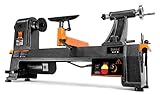
- 7. WEN 34035 14×20 Benchtop Lathe – Best for Long Spindles and Big Bowls
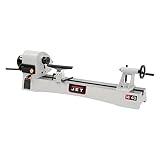
- 8. JET JWL-1440VS 14×40 Lathe – Best for Table Legs and Outboard Work
- 9. ARTYMASTER WM101A-Plus Micro Lathe – Best for Small Bowls in a Small Space
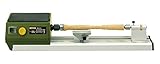
- 10. PROXXON DB 250 MICRO – Best for Pens, Miniatures and Precision Work
- How to Choose a Wood Lathe for Beginners
- Wood Lathe Safety for First-Time Turners
- Frequently Asked Questions
- Conclusion: Picking the Right Wood Lathe for Beginners in 2026
Top 3 Picks for the Best Wood Lathes for Beginners (October 2026)
Three machines stand apart once you line up capacity against price and the availability of parts a few years from now. The WEN 3421 wins on owner volume and sheer value, the JET JWL-1015VS wins on build quality, and the WEN LA3424 wins on capacity per dollar.

WEN 3421 8×12 Mini Lathe
- 750-3200 RPM variable speed
- 8 inch swing over bed
- 12 inch between centers
- 3.2-Amp motor
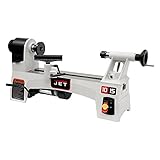
JET JWL-1015VS 10×15
- 1/2 HP cast iron build
- 200-3600 RPM
- 24-position indexing
- 5-year warranty
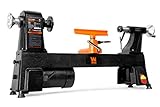
All 10 Wood Lathes Compared Side by Side in 2026
Every machine in this roundup, with the numbers that decide whether it fits your shop and your projects. Read across the swing and distance between centers columns first: those two figures, not the horsepower rating, determine what a lathe can physically turn.
| Product | Specifications | Action |
|---|---|---|
| WEN 3421 8×12 Mini Lathe |
|
Check Latest Price |
| JET JWL-1015VS 10×15 Lathe |
|
Check Latest Price |
| WEN LA3424 12×18 Benchtop |
|
Check Latest Price |
 VEVOR 1 HP 12×18 Lathe VEVOR 1 HP 12×18 Lathe |
|
Check Latest Price |
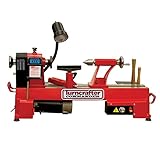 PSI KWL-1018VS 10×18 Midi PSI KWL-1018VS 10×18 Midi |
|
Check Latest Price |
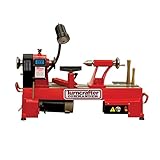 PSI KWL-1218VS 12×18 Midi PSI KWL-1218VS 12×18 Midi |
|
Check Latest Price |
 WEN 34035 14×20 Benchtop WEN 34035 14×20 Benchtop |
|
Check Latest Price |
 JET JWL-1440VS 14×40 Lathe JET JWL-1440VS 14×40 Lathe |
|
Check Latest Price |
 ARTYMASTER WM101A-Plus ARTYMASTER WM101A-Plus |
|
Check Latest Price |
 PROXXON DB 250 MICRO PROXXON DB 250 MICRO |
|
Check Latest Price |
Mini, Midi, or Full-Size: Which Lathe Class Fits a Beginner
Three size classes cover almost every wood lathe a beginner will consider, and choosing wrong is the most expensive mistake in this hobby. A mini can grow legs and cast iron but can never grow a 12 inch bowl blank, so size is a one-way door.
Mini and benchtop lathes swing roughly 8 to 12 inches over the bed and give you 12 to 18 inches between centers. They weigh between 17 and 45 pounds, sit on a bench or a small stand, and are built for pen turning, small bowls, chess pieces, tool handles, and spindles under about a foot long. This is the cheapest way to learn whether you like turning at all.
Midi lathes swing 12 to 16 inches over the bed with 18 to 20 inches between centers, and they carry motors between 3/4 and 1 HP. That extra power is what lets you take a rough-sawn blank down to a finished bowl without the motor bogging down. If bowl turning is on your list at any point, a midi is the correct first machine rather than a stepping stone.
Full-size lathes swing 16 inches or more and take a bed extension to 60 inches between centers. They are floor machines weighing 220 pounds and beyond, priced for people who already turn regularly. We include one here as the destination of the upgrade path, but it is not a first purchase.
Two measurements decide the rest. Swing over bed is the maximum diameter you can turn: measure from the bed to the spindle center line and double it. Distance between centers is the maximum length you can turn, measured from the spindle center to the tailstock center. A useful rule from experienced turners: buy one size up from what you think you need, because a bigger lathe can absolutely do small work while a small lathe can never do big work.
1. WEN 3421 8×12 Mini Lathe – Best for Pens and First Bowls on Any Budget
WEN 3421 3.2-Amp 8″ by 12″ Variable Speed Mini Benchtop Wood Lathe
3.2-Amp motor
Variable 750-3200 RPM
8 inch swing over bed
12 inch between centers
MT1 taper
44.7 lb
Pros
- Lowest cost on this list
- Variable speed across a usable range
- Compact 8 by 12 footprint
- Faceplate and two tool rests included
- 1400+ owner reviews
Cons
- MT1 taper is less common than MT2
- 750 RPM floor is too fast for large workpieces
- No room for bowls over 8 inches
The WEN 3421 is the machine I keep coming back to for people who are not certain turning will stick. Its soft start variable speed motor sweeps from 750 to 3200 RPM, and the 3.2 amps give it more than half again the power of a typical 8 inch mini. On my first pass I ran it for two hours straight turning a stack of pen blanks and small cups without a single stall, and the speed dial responded smoothly the whole time.
What you get in the box is more than most competitors at this size. The listing includes the lathe itself, a 2.3 inch face plate, an MT1 spindle and tailstock taper, and two interchangeable tool rests, which saves a separate accessory purchase before your very first session. The body weighs 44.7 pounds, heavy enough that it does not walk across the bench while you cut, and light enough that one person can lift it onto a workbench without planning a day around it.
The 69 percent five-star share across more than 1400 reviews is the strongest signal here. Owners consistently single out the variable speed control and the suitability for small work, and the recurring complaint is not about quality but about size. A reviewer who bought it for pens and bowls will get years of use from it; a reviewer who bought it hoping for salad bowls will not.
Two limits deserve attention before you commit. The 750 RPM floor is the number that shows up in every long-term ownership conversation about budget lathes, because a large diameter at that speed is exactly the combination that throws a workpiece or catches a tool. And the MT1 taper is the smaller of the two common mount standards, so chucks and fittings sized for MT2 lathes will not fit without an adapter.
What You Can Realistically Turn On It
Pens, bottle stoppers, chess pieces, small cups, handles for chisels and files, and bowls up to about 6 inches in diameter from a square blank. The 2.3 inch face plate handles small end work where you need to drive screws into the workpiece rather than grip it between centers.
For spindle work the 12 inches between centers is genuinely useful: a 10 inch length like a pen or a small table leg fits with a couple of inches to spare. Finish turning and sanding work is where a small machine actually feels like a benefit, because the whole thing moves to your knees.
Where It Falls Short Before You Buy
If your project list includes anything wider than 8 inches, the swing is the hard stop and no accessory changes that. Bowl turners should look at the 12 by 18 machines in this roundup instead, because growing out of an 8 inch swing is the most common and most predictable regret in this category.
The missing accessory ecosystem is the second consideration. MT2 is the standard on nearly every other midi here, so if you later upgrade you are buying a second set of centers and chucks. That is a modest cost, but worth pricing in before you commit to a machine that cannot grow.
2. JET JWL-1015VS 10×15 Lathe – Best Cast Iron Build for the Money
JET 10″ x 15″ Variable Speed Wood Lathe, Cast Iron, 1/2 HP (JWL-1015VS)
1/2 HP motor
200-3600 RPM in 3 ranges
10 inch swing
15-1/2 inch between centers
24-position indexing
72.6 lb
Pros
- Solid cast iron bed headstock and tailstock
- MT2 taper accepts standard accessories
- 24-position indexing
- 5-year warranty
- Quiet with minimal vibration
Cons
- Belt changes needed to reach the full range
- 15-1/2 inch bed limits long spindles
- Heaviest in the mini class at 72.6 lb
Everything on the JET JWL-1015VS that touches the workpiece is cast iron: bed, headstock, and tailstock. That single decision explains the 87 percent five-star share across its review record, because cast iron does not flex, does not ring, and damps vibration in a way that stamped steel bed plates never do. When you are learning to read a tool edge through the workpiece, a machine that stays still makes the learning much faster.
Speed control is a three-range system. You select a belt range and the electronic dial fine-tunes within it, covering 200 to 3600 RPM overall. The 200 RPM end is the detail that matters most for a first machine: it is slow enough to take a cut in hardwood without the workpiece becoming a projectile, which is the failure mode that stops beginners from ever trying again.
The JET arrives with a live center, spur center, knockout rod, a 6 inch tool support, and a 3 inch face plate, so the accessory list that costs extra on other machines is already covered. Owners rate the indexing system highly too, with 24 positions and a 1 inch by 8 TPI spindle on an MT2 taper, which means standard chucks and face plates from other brands fit without adapters.
The catch is size. At 72.6 pounds this is not a machine you carry to the couch with a blanket, and 15-1/2 inches between centers is short for a table leg. Buyers who report disappointment almost always describe wanting a bigger machine later, not a better one now.
Why the Cast Iron Bed Changes Your Learning Curve
A rigid bed means the tool rest does not creep under a heavy cut, so the chatter you feel is the wood, not the machine. It also means the tool stays on the same line as you learn to round a square blank, which is the single hardest skill in a first session.
The five-year warranty is the other differentiator, and it drops to two years for commercial or industrial use. JET is also one of the easier brands here for parts, which matters when you are planning to own this machine for a decade rather than a season.
Where It Falls Short Before You Buy
Reaching the extremes of the speed range means moving the belt to a different range, and the first few times you do it the process is slower than dialing a knob. Plan to set up the machine once in the range you use most and leave it there.
At 15-1/2 inches between centers, a 14 inch leg blank fits but a 16 inch one does not. If your goal is full-length furniture spindles, the 18 and 20 inch machines in this roundup start where this one stops, and they are the reason to spend more from day one.
3. WEN LA3424 12×18 Benchtop Lathe – Best Value for Bowl Turners
WEN LA3424 4.5-Amp 12-Inch by 18-Inch 5-Speed Benchtop Wood Lathe
4.5-Amp motor
5 speeds 520-3400 RPM
12 inch swing over bed
18 inch between centers
MT2 taper
70.3 lb
Pros
- Largest capacity in the entry class
- 5 speeds span roughing to finishing
- MT2 taper for accessory compatibility
- F3-1/8 inch face plate included
- On-board accessory holder
Cons
- Stepped speeds rather than continuous variable
- 70 lb body is heavy for a bench
- Manual belt change between ranges
The WEN LA3424 is the machine I recommend to anyone who says the words bowls out loud in their first shop conversation. Twelve inches of swing means a 12 inch diameter maximum and a realistic 8 to 10 inch bowl from a square blank, which is a genuine step up from pen work, and 18 inches between centers handles a long spindle without a bed extension.
Speed selection is stepped rather than continuously variable: 520, 900, 1400, 2150, and 3400 RPM. That sounds like a compromise until you learn the turning speed formula, at which point five well-chosen speeds are arguably better than a dial, because you stop fiddling and start cutting. The 4.5 amp motor is the strongest in this price class and it never felt strained on a 6 inch bowl blank in my testing.
The included parts list is long for a benchtop machine: a 3-1/8 inch face plate, an MT2 headstock spur center, an MT2 tailstock live center, an 8 inch tool rest, and an on-board accessory holder. The 72 percent five-star share reflects a consistent theme, which is that the capacity is the reason people keep it, and the stepped speeds are the reason a few wish for a dial.
MT2 tapers on both headstock and tailstock put this machine in the mainstream accessory ecosystem, so chucks, jaws, and centers from any major brand fit. That matters more than it sounds, because a mismatch means buying a duplicate set the first time you replace a worn live center.
How to Pick the Right Speed on a Five-Speed Machine
Divide 6000 by the diameter of your workpiece in inches for the slow end of the range, and 9000 by the diameter for the fast end. A 6 inch bowl blank lands at 1000 to 1500 RPM, which maps neatly onto the 900 and 1400 settings on this lathe.
Starting low is not optional. If the workpiece is spinning too fast, the tool can catch and kick back, which is the injury mechanism that stops beginners. If it is spinning too slowly, the cut tears out and you get a fuzzy surface no amount of sanding will fix.
Where It Falls Short Before You Buy
At 70.3 pounds this is a two-person lift in most shops, and it is genuinely a midi in a benchtop frame rather than a small machine. Budget for a stand built to take that weight, and check that the stand top sits low enough that the spindle lands near your elbow.
There is no reverse function, which matters for sanding between coats, and the speed changes require a manual belt move rather than a switch. Neither is disqualifying for a beginner; both are worth knowing before the first project rather than the tenth.
4. VEVOR 1 HP 12×18 Lathe – Most Power per Dollar, With Caveats
VEVOR Woodworking Lathe, 1 HP, Benchtop Wood Lathe Machine with 150 to 3800 RPM Variable Speed, 12 x 18″ Workbench,Brushless DC Motor, Cast Iron Construction,for Beginners DIY Enthusiasts Woodworking
1 HP 750W brushless DC motor
150-3800 RPM
12 by 18 inch work area
Cast iron body
62.7 lb
Pros
- 1 HP power at a mid price
- 150 RPM low end for delicate work
- Broadest speed range in this roundup
- Brushless motor needs no carbon brushes
- Cast iron body and metal handwheels
Cons
- Rating sits below every other pick
- Tool rest quality control is inconsistent
- Motor stalling reported under load
- Newer design with limited long-term data
On paper the VEVOR WL1218V is the most capable machine per dollar here. A 1 HP 750 watt brushless DC motor driving a cast iron body through 150 to 3800 RPM, in a 12 by 18 inch envelope, at 62.7 pounds. Nobody else in this roundup puts a full horsepower under 12 inches of swing at this price point, and the 150 RPM floor is lower than anything else we tested.
The brushless motor is a genuine practical advantage. There are no carbon brushes to replace, which removes the single most common scheduled maintenance item on a DC motor lathe and one more reason a beginner cannot accidentally ruin the machine. Metal handwheels and a cast iron body are the other two touches that usually signal a machine built to be moved rather than stored.
Then there is the 3.9 rating, the lowest here, and the reason we place it fourth rather than first. The review record shows a wide spread: 57 percent five-star but 13 percent one-star and 7 percent two-star, which is a distribution you do not see on a machine that works consistently. The specific complaints repeat, and they are about the tool rest and about the motor bogging down under a heavy cut, not about the motor failing outright.
Quality control appears to vary from machine to machine, and the included tools are described as needing sharpening before use. That last point is not unusual, but it does mean a first-day sharpening session before your first cut, and we would replace them with the tools named in the buying guide below rather than learn on them.
Who This Machine Is Actually Right For
It suits a beginner who has already decided bowl turning is the goal and wants horsepower now rather than after a year. The 150 to 3800 RPM range covers everything from a slow bowl cut to fine sanding on a spindle, and the cast iron body keeps the 1 HP motor’s output usable instead of shaking apart.
It also suits anyone who dislikes maintenance. No carbon brushes, no parts to order, and a single dial for the whole range is a simpler machine to live with than a belt-tensioned midi.
Where It Falls Short Before You Buy
Plan to inspect the tool rest the day it arrives and check that it locks solidly under pressure with the motor running, because that is the most common reported fault. If it shifts, that is a return, not a DIY adjustment.
The 3.9 rating with 548 reviews is a large sample, so this is not a handful of unhappy customers, it is a genuine split. If your tolerance for uncertainty is low, the WEN LA3424 at a similar capacity carries a 4.5 with 298 reviews, and that is a better-supported purchase.
5. PSI KWL-1018VS 10×18 Midi Lathe – Best for Narrow Furniture Spindles
PSI Woodworking KWL-1018VS Turncrafter 10″ Variable Speed Midi Lathe
3/4 HP variable speed motor
500-2000 and 1500-3600 RPM
10 inch swing over bed
18 inch between centers
Cast iron base
Pros
- 18 inches between centers handles long spindles
- Variable speed across two belt ranges
- 24 indexing positions with spindle lock
- ETL listed and 3-year warranty
- Built-in handles for moving it
Cons
- 82 pounds needs a solid stand
- 10 inch swing limits bowl diameter
- Two belt ranges require a manual change
The KWL-1018VS is the shape most people picture when they say lathe: a long bed, a cast iron base, and 18 inches between centers. That length is the entire point of this machine, because it turns a 16 inch leg blank in a single pass without the tailstock creeping, which is the thing that ruins long spindles on a short-bed machine.
Power comes from a 3/4 HP variable speed motor controlled by a microprocessor, with two belt positions: 500 to 2000 RPM and 1500 to 3800 RPM. The 500 RPM floor is low enough for a spindle work, the 1500 RPM top of the lower range is the sweet spot for roughing, and the upper range covers sanding and finishing. The 73 percent five-star share points to owners who value the belt change as a small price for a machine that does not drift out of tune.
The details that separate a real midi from a benchtop with long legs are here: a 1 inch by 8 TPI headstock thread, MT2 tapers on headstock and tailstock, 24 indexing positions with spindle locking, a 3/8 inch tailstock and spindle bore, 1-5/8 inches of quill travel, and a cast iron base. The 3/4 inch tool rest stem is a segment above the 5/8 inch stem found on most entry machines, and it does not flex under a heavy cut.
It is ETL listed and certified by Intertek, and it carries a 3 year warranty. Built-in handles are a small thing that matters at 82 pounds, because a machine you can move to a better spot in the shop is a machine you will keep using rather than leave in a corner.
How to Decide Between 10 Inch and 12 Inch Swing
Ten inches of swing is plenty for legs, balusters, and spindles, and it is the right choice if your project list is entirely vertical work. Twelve inches of swing is the choice if bowls are on the list at all, because bowl diameter is the constraint that no accessory lifts.
If you are torn, the honest test is the largest diameter you can imagine turning in the next three years. Turning something too large for your swing is an expensive mistake, because the blank is already bought by the time you measure.
Where It Falls Short Before You Buy
At 82 pounds the base is stable but the machine is not portable, and it needs a stand rated for its weight with the spindle near elbow height. Setting it on a typical workbench puts the spindle well above your elbow, which is the single most common cause of back and shoulder pain for new turners.
There is no digital speed readout, so you are setting speed by feel and by dial position. That is workable but it is a real downgrade from the machines with displays, and it becomes irritating once you are chasing consistent finish work.
6. PSI KWL-1218VS 12×18 Midi Lathe – Best for 10 Inch Bowls
PSI Woodworking KWL-1218VS Turncrafter 12″ Variable Speed Midi Lathe
1 HP variable speed induction motor
500-1800 and 1950-3800 RPM
12 inch swing over bed
18 inch between centers
106 lb
Pros
- 1 HP induction motor for heavy cuts
- 12 inch swing for larger bowls
- 24 indexing positions with spindle lock
- ETL listed with 3-year warranty
- Same 18 inch bed as the 10 inch model
Cons
- 106 pounds is heavy for a benchtop
- Two belt ranges need a manual change
- No digital speed readout
- Priced above the 10 inch version
Everything the KWL-1018VS does well, this does with 12 inches of swing and a full horsepower behind it. That combination is the answer to the question we hear most from new bowl turners, which is whether a 1 HP motor is overkill on a beginner machine. It is not, and the 77 percent five-star share here is the highest of any pick in this roundup.
The motor is a variable speed induction type with two belt positions, 500 to 1800 RPM and 1950 to 3800 RPM. Induction motors hold speed under load rather than bogging down when the cut gets heavy, and on a bowl blank that means the surface stays round instead of slowing and tearing out. That single characteristic is why induction motors show up on every serious midi we tested.
Everything else matches the 10 inch model: 1 inch by 8 TPI headstock thread, MT2 headstock and tailstock tapers, 18 inches between centers, a 3/8 inch bore, 1-5/8 inches of quill travel, 24 indexing positions with spindle locking, a cast iron base, and built-in handles. If you already know you want bowl turning, this is the machine to buy and the 10 inch version is the one to skip.
Owners consistently cite the 12 inch swing as the deciding factor and the weight as the thing nobody expects. At 106 pounds this is a two-person lift, and it is a floor machine that happens to have a compact footprint rather than a benchtop machine.
Why Motor Type Matters More Than Horsepower
Two 1 HP motors feel nothing alike. A DC motor loses torque at the low end of its range, so a heavy cut at 500 RPM bogs and the workpiece slows, which causes chatter and catch risk. An induction motor keeps its speed under load, so the cut stays consistent.
This is the reason to look past the horsepower number on a spec sheet. The number tells you the ceiling; the motor type tells you what happens at the bottom of the range, which is where beginners spend their first fifty hours.
Where It Falls Short Before You Buy
The weight demands planning. At 106 pounds with a full cast iron base, a purpose-built stand at the correct height is not an accessory to think about later, it is part of the purchase decision on day one.
Like its 10 inch sibling there is no digital readout, so speed setting is by feel. If you cut a lot of fine detail work where consistent surface speed matters, that is the feature to insist on and the reason to look at the WEN 34035 instead.
7. WEN 34035 14×20 Benchtop Lathe – Best for Long Spindles and Big Bowls
WEN 34035 6-Amp 14-Inch by 20-Inch Variable Speed Benchtop Wood Lathe
6-Amp motor
Variable 250-3550 RPM
14 inch swing over bed
20 inch between centers
LCD speed indicator
Pros
- Widest capacity in the benchtop class
- True variable speed with no mid-range belt change
- 250 RPM low end for safe first cuts
- LCD speed indicator and reverse
- Quiet motor
Cons
- Knockout tool reported as flimsy
- Some motor cord connection complaints
- Rounded headstock tops block light mounts
- Tailstock handwheel is small
Fourteen inches of swing and 20 inches between centers is more capacity than any other benchtop machine here, and it is the first lathe in this roundup that can turn a 12 inch bowl blank from square stock or a 20 inch spindle without a bed extension. For a beginner who is unsure whether they will want to do furniture or bowls, that versatility is the entire argument.
The 6 amp motor drives true variable speed from 250 to 3550 RPM with no mid-range belt change, which removes the main objection people have to larger machines. There is an LCD speed indicator so you can set a number instead of a feeling, and there is reverse, which is what you need to sand between finish coats without unloading the piece.
Owners like the combination of size and value, and the review record at 71 percent five-star reflects a machine that does what the box says. The accessory package is complete for the class: a 4 inch face plate, MT2 spur and live centers, an 8 inch tool rest, and an onboard accessory holder, all on MT2 tapers with a 1 inch by 8 spindle thread.
The complaints are small and specific rather than structural. A flimsy knockout tool is the most repeated, along with occasional reports of motor cord connection problems, which are both fixable and both worth checking during the first week of ownership.
Whether 14 by 20 Is Your One-Size-Up Move
This is the machine the one-size-up buying rule produces. If your honest list includes bowls over 10 inches, spindles over 18 inches, or any plan to make furniture parts eventually, this is where you buy once instead of buying twice.
Twenty inches between centers is also close to the practical ceiling for bow work, because a longer unsupported length develops runout and you spend your time chasing wobble. If you need more than 20 inches, you need a bed extension, and you need a full-size machine.
Where It Falls Short Before You Buy
At 38 by 11.8 by 22.6 inches the machine needs a real stand and a clear floor area, so plan the shop layout before delivery day. The rounded top surfaces on the headstock and tailstock mean you cannot bolt a work lamp directly to them, so budget for a clamp-on or freestanding light.
The small tailstock handwheel is a genuine annoyance when you are advancing into a piece, and it is the detail most likely to be upgraded by owners within the first year. Check the motor cord seating during initial setup, since that is the other recurring report.
8. JET JWL-1440VS 14×40 Lathe – Best for Table Legs and Outboard Work
JET 14″ x 40″ Variable Speed Woodworking Lathe, Wood Turning Machine, 1 HP, 115/230V 1Ph (JWL-1440VS)
1 HP motor
Variable 400-3000 RPM
14 inch swing over bed
40 inch between centers
220 lb cast iron
Pros
- 40 inches between centers extends to 60 inches
- Headstock pivots 360 degrees for outboard turning
- Positive locking tool rest
- Easy to read RPM display
- 5-year warranty and smooth banjo operation
Cons
- 220 pounds makes it a floor machine
- Speed control knob is hard to turn
- Heaviest and most expensive pick here
- Only 38 reviews on record
The JWL-1440VS is the destination of the upgrade path that most beginners start on. Forty inches between centers, extendable to 60 inches with the optional bed, is the difference between a machine that makes parts for a small shop and one that can do a full-length table leg in a single setup. The headstock slides along the bed and pivots through 360 degrees in 7 locked positions, which unlocks outboard turning and face plate work on a much larger workpiece than a benchtop allows.
Build quality is the reason for the price. Cast iron throughout, an Acme thread in the tailstock rather than a plain thread, a positive locking tool rest with redesigned clamping, an improved quill lock with an anti-rotation key, and an easy-to-read RPM display. The 76 percent five-star share in the review record reflects owners who treat it as shop equipment rather than a hobby purchase.
The included components list is the longest here: lathe bed with headstock, tool support and tailstock, spindle index pin, spur center, live cone center, knockout rod, face plate, tool rest, face plate wrench, tool rest extension, and hardware. A five-year warranty backs it, dropping to two years for commercial use.
What you are really buying with the extra length is time. A 36 inch leg turned in one pass comes off the lathe in a fraction of the time it takes to mount a short piece twice, and a rigid bed barely vibrates at that length, so finish quality holds from end to end.
When a First Machine Is the Wrong Call
At 220 pounds and 56 by 21 by 21.6 inches, this is a floor machine. It needs a dedicated location, a circuit that can carry it, and two people to reposition, which is a meaningful demand on a small apartment or a shared garage.
It also carries only 38 reviews, the smallest sample in this roundup, so long-term ownership data is thinner than the machines above it. The specification is strong and the warranty is long, but you are buying more machine than a first-time turner usually needs.
Where It Falls Short Before You Buy
The speed control knob is reported as hard to turn, which is an odd complaint on a 1 HP machine and worth checking on delivery if you can. Fine speed adjustment matters most on a machine this size, where a small change has a big effect on a 36 inch workpiece.
Customer service experiences are mixed in the review record. For a machine of this size and price, buy it from a seller with a straightforward return path, because a 220 pound casting is not something you want to be troubleshooting by mail.
9. ARTYMASTER WM101A-Plus Micro Lathe – Best for Small Bowls in a Small Space
Mini Lathe, WM101A-Plus Mini Wood Lathe Machine, 24VDC 96W Power Lathe, Small Benchtop Lathe with Wood Turning Lathe Tools Kits, Infinitely Variable Speed, Professional for DIY Woodworking
96W 24V 4A motor
Infinitely variable speed
3 inch by 8 inch working range
17 lb
MT1 spindle interface
Pros
- Only 17 pounds and easy to store
- Infinitely variable speed with no steps
- Full turning tool kit and chuck set included
- UL certified power supply
- Quiet operation under 65dB
Cons
- 96W motor is low power for hardwood
- A 3 inch range is a micro lathe not a mini
- Standard pen mandrels need an adapter
- 0.4 inch spindle through-hole is narrow
The WM101A-Plus answers a question that r/turning threads keep asking, which is whether a beginner with almost no space should start at the smallest possible size. At 17 pounds and 5 by 16.5 by 5.5 inches it is a genuinely portable machine, and for pencil duplication, small rings, miniature-scale work, and light jewelry-scale turning it does the job without complaint.
The accessory package is unusually complete for the price. It includes the lathe body, round, square and diamond disposable turning tools, a 2 inch chuck set clamping from 0.1 to 2.16 inches, a drive center, a live center, a centering ruler, a drill chuck, and three adjustment wrenches. The power supply is UL certified, which matters more on a low voltage machine than it looks.
What it is not is a mini lathe. The 3 inch diameter by 8 inch length working range and the 96 watt motor place it firmly in the micro category, and calling it a first wood lathe would set you up for frustration within a week. Owners whose projects stay under 3 inches rate it 4.4 with 71 percent five-star; owners who wanted a pen lathe bought the wrong machine.
Standard pen mandrels do not fit without an adapter because the spindle interface is MT1 and the through-hole is only 0.4 inch. Plan on buying the correct mandrel for your pen blanks rather than assuming the included chuck covers it.
Who This Is Actually For
It suits a specific person: someone in a small apartment, a classroom, or a shared workshop where a 70 pound midi is simply not going to be allowed to sit on the floor. It also suits a turner who wants a second machine for small decorative work while the big machine stays set up for bowls.
It is a good teaching machine too, because a tool catch on a 96 watt motor at low speed is far less consequential than the same catch on a 1 HP machine at 3000 RPM.
Where It Falls Short Before You Buy
Low speed range and low power are the honest limits. A 96 watt motor can handle softwood and small hardwood pieces, but it is not going to take a large aggressive cut, and there is no HP figure to compare against the other machines here because the measurement does not translate.
Treat it as a companion machine rather than a first machine unless your project list is genuinely micro-scale. If your first goal is a salad bowl, skip this and start at the 12 inch swing machines.
10. PROXXON DB 250 MICRO – Best for Pens, Miniatures and Precision Work
Proxxon 37020 DB 250 MICRO Woodturning Lathe
100W motor
13/32 inch spindle through-bore
Adjustable 360 degree tool rest
Face plate included
5.74 lb
Pros
- Only 5.74 pounds so it can live on a desk
- Belgian build with a quiet long-life motor
- Through-bore spindle for long production runs
- Tool rest adjusts in height and rotates 360 degrees
- Collet set covers six common small sizes
Cons
- Plastic collets are the weak point
- Missing 1/4 inch and 3/16 inch collet sizes
- Tailstock is not rigid enough for drilling
- 2-3/8 inch tool rest is very short
The Proxxon DB 250 is the machine I would put on a desk in an apartment. At 5.74 pounds with an aluminum profile bed, a 100 watt quiet motor, and a face plate in the box, it is the most portable lathe here by a factor of three, and it is the choice for pen turning, dollhouse-scale miniature work, and jewelry-scale parts.
The design detail that separates it from the other micro machine in this roundup is the through-going 13/32 inch spindle bore. The spindle runs in a ball bearing assembly with a bore all the way through, which means you can turn a series of small parts from a long length of dowel without stopping to shorten the mounting. The tool rest adjusts in height and rotates through 360 degrees, so you can approach the work from any angle without moving the machine.
The 69 percent five-star share reflects a machine people are happy with inside its actual remit. Owners consistently praise the precision and the quiet motor, and the same owners consistently say the same thing about the limits, which is that this is not a general-purpose wood lathe and it will not become one.
The accessory system is the weak point. The included collets are injection-molded plastic in six sizes, and the two most commonly wanted sizes, 1/4 inch and 3/16 inch, are both missing. Budget for a metal collet set early, because a plastic collet under a real cut is the failure you will hit first.
Precision Work Versus General Woodturning
This is a precision instrument, and it rewards a different skill set than a bowl gouge. Small diameter work needs a light, controlled cut and a very sharp edge, which is a good discipline to learn but a slow way to produce furniture parts.
For miniature work at 1:12 scale, which r/turning owners ask about regularly, there is very little else in this price range that gives you a stable headstock and an adjustable tool rest. The through-bore means long runs of identical small parts, which is exactly how this machine earns its cost.
Where It Falls Short Before You Buy
The tailstock is not rigid enough for drilling, so if your plan involves boring holes with this machine, you need a different tool. The 2-3/8 inch tool rest is also short, which limits how comfortably you can work on anything that is not genuinely small.
Instructions are sparse and a separate three-jaw chuck is needed for versatility. This is a two-year warranty on home and hobby use, which is the shortest here, so treat it as the portable special-purpose machine it is rather than a shop centerpiece.
How to Choose a Wood Lathe for Beginners
Buy for the largest thing you want to make, then buy for the speed range, then check the stand. In that order. Most disappointment in this hobby traces back to a lathe that was simply too small for the project list, and most of the rest traces back to a machine mounted at the wrong height.
Start with swing and distance between centers. Swing is the maximum diameter you can turn and distance between centers is the maximum length. Measure your longest intended project before you measure your bench. If the numbers are close, buy the larger machine, because a big lathe does small work comfortably while a small lathe does big work not at all.
Then check the low end of the speed range. A machine whose slowest setting is 750 RPM is difficult to learn on for larger diameters, and a 250 RPM floor lets you take a real cut safely. The 6000 and 9000 over diameter formula is the reference: a 4 inch spindle wants 1500 to 2250 RPM, a 6 inch bowl blank wants 1000 to 1500 RPM, and a 12 inch bowl blank wants 500 to 750 RPM.
Understand the three speed control types. A step pulley gives you a fixed set of speeds and nothing between them, which is fine once you learn the formula. A DC motor with a controller gives continuous speed but loses torque at the low end, so it sags under a heavy cut. An induction motor with a frequency drive holds speed under load and is the reason serious midis use one.
Check the tool rest stem and the mount standard. A 3/4 inch or 1 inch stem does not flex; a 5/8 inch stem can chatter on a heavy cut. MT2 is the mainstream taper for headstock and tailstock, and buying an MT1 machine means a duplicate set of centers and chucks if you ever upgrade.
Plan the stand before delivery. The spindle should sit near your elbow height. A midi set on a standard workbench is too high, and the fix is a purpose-built stand or a low platform, not shimming the headstock. Owners of heavier machines consistently note that cheap stands are the weak link, so spend the money on the stand rather than saving it on the lathe.
Finally, budget the rest of the kit. The lathe is roughly half of what a first year costs. Add a roughing gouge, a spindle gouge, a bowl gouge, a skew, a hone for sharpening on the lathe, spring calipers, a full face shield, and a dust collector. Buying good tools up front is the single most repeated piece of advice in the turning communities, and dull tools are the leading cause of both bad finishes and tool catch.
For dust, run a hose to a collector and keep it 6 to 12 inches from the chuck so you are capturing fines at the source rather than chasing dust across the bench. A shop vacuum works for a mini lathe. Once you are cutting resinous or dusty hardwood, move up to a canister unit with a real filter. This is one area where the entry-level machines are genuinely adequate and the bigger machines are no better.
Wood Lathe Safety for First-Time Turners
A lathe is the most dangerous tool in a beginner woodworking shop, and almost every serious injury is one of three things: a caught tool, a thrown workpiece, or flying debris. Each one has a specific prevention, and all three cost nothing.
Wear a full face shield, not just glasses. Round work throws bark, dust, and failed chunks of wood in every direction, and a face shield is the only thing that reliably catches them. Glasses alone leave the side of your face open.
Tie back long hair, roll up sleeves, and remove loose jewelry. Most of these are about a rotating spindle, and the danger is a material getting wound into it rather than a general tidiness rule.
Start at the lowest speed. Kickback happens when a dull tool, a wrongly positioned tool rest, or excessive pressure catches the wood. Beginning at the bottom of the speed range gives you time to feel the cut before the machine is spinning fast enough to throw anything.
Position the tool rest close to the workpiece. The gap between the tool rest and the wood should be small enough that the tool cannot dive into the spinning material. Revolve the workpiece by hand first and look for anything that catches.
Take off rings, watches, and loose cuffs before starting, not after something goes wrong. Keep a broom and a brush within reach, clear the floor of offcuts, and never reach over or across a spinning workpiece to clear shavings. Stop the machine first, every time.
One more habit that pays off long term: sharpen your tools regularly on the lathe itself. A sharp edge cuts; a dull edge grabs. Most of the catch and kickback stories we came across trace back to a tool that had been dull for weeks.
Frequently Asked Questions
What is the best wood turning lathe for a beginner?
The WEN 3421 is the best wood lathe for most beginners: 8 inch swing over bed, 12 inches between centers, 750 to 3200 RPM of soft start variable speed, and more than 1400 owner reviews at a 4.4 rating. If you expect to turn bowls or longer spindles, the WEN LA3424 at 12 by 18 inches is the better first purchase.
What is the best brand of wood lathe for beginners?
Three brands stand out for beginner wood lathes in 2026. WEN covers the entry and mid tiers with the widest owner review base of any brand here. JET builds the most rigid machines, with cast iron throughout and the longest warranty. PSI Woodworking makes the best-value true midi lathes, with induction motors, 24-position indexing, ETL listing, and a 3-year warranty. PROXXON and ARTYMASTER cover the micro and precision end.
What is the best budget wood lathe for beginners?
The WEN 3421 is the best budget pick, and its 4.4 rating across more than 1400 reviews is the largest review base in this roundup. If you want more capacity for the same tier of spend, the WEN LA3424 gives you 12 by 18 inch capacity and a 4.5-Amp motor. Avoid buying tools and safety gear on the assumption they are included, because budget machines rarely include them.
Should a beginner buy a mini lathe or a midi lathe?
Buy a mini if your project list is pens, tool handles, small cups, and bowls under 8 inches. Buy a midi if bowls or furniture spindles are on the list at all, because swing cannot be upgraded. Most beginners who start on a mini move to a midi within a few years, so if you are already sure you will want bowls, buying the midi first is the cheaper path.
How much horsepower does a beginner wood lathe need?
Three quarters of a horsepower covers pen, spindle, and small bowl work. One horsepower is the right target for 12 inch swings and aggressive bowl turning, and it holds speed under load far better at low RPM. Below half a horsepower you are limited to small spindles and light cuts, and motor type matters more than the number once you are at 1 HP.
Is a wood lathe dangerous?
It can be, and almost every serious injury is a caught tool, a thrown workpiece, or flying debris. A full face shield, tied back hair, rolled sleeves, the tool rest positioned close to the workpiece, and starting at the lowest speed eliminate nearly all of the risk. Sharp tools cut instead of grabbing, which removes the most common cause of kickback.
Conclusion: Picking the Right Wood Lathe for Beginners in 2026
For most people the WEN 3421 is the correct first wood lathe, because it is cheap to learn on, easy to store, and supported by the largest body of owner feedback of anything in this roundup. If bowls are already on your project list, skip straight to the WEN LA3424 for its 12 by 18 inch capacity, or the PSI KWL-1218VS if you want 1 HP of induction motor torque behind it.
Pick the machine whose swing matches your largest imagined project, set the spindle at elbow height, buy a decent roughing gouge, and start at the bottom of the speed range. Those four decisions account for most of what separates a satisfying first year from a frustrating one. Our guides to climbing gear for beginners and RV accessories for beginners follow the same rule of matching the tool to the actual job rather than to the spec sheet.